
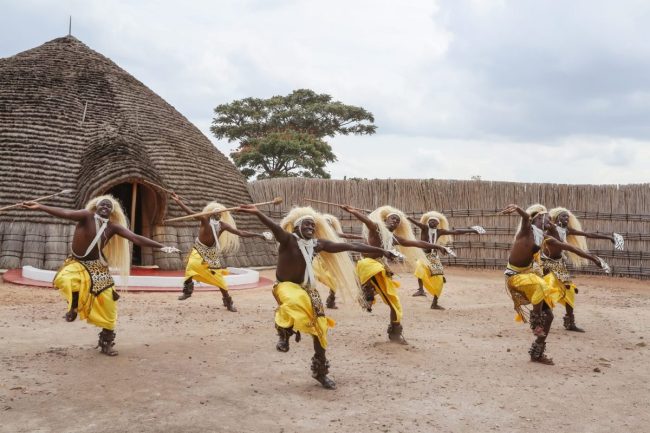
Cultural encounters in Rwanda assure visitors of a fascinating experience of exploring the country’s unique heritage. With culture, Rwanda is second to none, given that it has protected and enriched its cultural activities for generations. Rwanda is probably the most culturally diverse destination in the region. This is because it has a relatively single culture across the entire country. This is why it is very easy for the government and also the people to guard and protect their culture for a while, as it is not affected by intermarriages. Intermarriages are some of the many reasons that negatively impact a particular culture when a country has diverse cultures and traditions.
About Rwanda’s cultures
Rwanda has mainly about 3 tribes, namely the Tutsis, who are usually the minority. There is also the Hutus, who are the majority, and the Twa people, who are a relatively small group. However, this tribal setup does not affect the culture and tradition of the country. This is because all the identified tribes in Rwanda have very similar cultures and traditions.
Therefore, this focuses on the protection and preservation of the cultural institution in Rwanda. Cultural encounters in Rwanda are the backbone of the country, just like most other African countries. What usually sets apart Africa from most of the other continents is that the Africans have strong and rich cultures that they have protected jealously for a while.
Rwanda is a vast and unique cultural country that has invested in securing its culture and traditional heritage for generations to come. Mentioning that culture is the backbone for most countries across Africa means that it is the national identity. Culture emphasizes a lot of features, including the dress code, food, and traditions, such as customs, beliefs, values, and norms. Therefore, finding a person dressed modestly in their traditional dress makes it very easy to identify them. One can also know where they are coming from, the same goes for the food and the ceremonies performed.
What are the cultural sites in Rwanda?
Embarking on a venture to explore the cultures and traditions in Rwanda opens a door to unique opportunities at the different cultural sites scattered across the country. Below are some of these cultural sites.
Iby’iwacu Cultural Village
Cultural encounters in Rwanda best kick off from the famous Iby’iwacu cultural village. It is located about 5 kilometers from Volcanoes National Park. This cultural village offers a unique blend of culture, tradition, and history all in one. With the coming of the colonialists in Africa, culture was heavily affected since it was targeted as a colonial method to remove the bonds that united the people.
Iby’iwacu cultural village understood this assignment and pushed further through ancient history. This brought back some of the lost traditions to civilization. Visitors can enjoy the blend of tradition and modernity through traditional songs and dances. This cultural village portrays the early years in Rwanda before the coming of colonialism.
Nyanza Palace
Rwanda was a nation under the rule of a monarchy from pre-colonial times until the 1950s. It later changed to a republic. The administrative center of the King of Rwanda was in Nyanza, a district or province in the southern regions of the country. The Nyanza palace was built in 1931 by the former ruling King Mutara III Rudahigwa.
It served its purpose until 1961, when the kingdom was abolished. The last King of Rwanda, Kigeli V Ndahindurwa, was exiled to the United States. What is left of this palace now is the memory of Rwanda as once a vibrant monarchy. The Nyanza palace showcases important artifacts like the royal regalia, memorabilia, royal drums, documents, and pictures of the early years of the kings of Rwanda, among others.
Adding to the excitement at this palace is the inyambo cattle experience. Inyambo were regarded as royal cattle because of their natural gentleness and calmness. Their unique appearance as descendants of the Ankole long-horned cattle in Uganda. Visitors can participate in the herding practises like milking, and pile playing, a beautiful melody that calms the inyambo.
Nyanza genocide memorial
The cultural encounter in Rwanda also takes you through the Nyanza genocide memorial, not far from the palace. The Nyanza genocide memorial is a site that hosts the remains of over 100,000 Tutsis. The genocide of 1994 is the darkest side of history in the cultural setting in Rwanda, where over a million Tutsis and a few Hutu sympathizers were killed.
This was a time when long-time neighbours turned on their close neighbours and killed them. This genocide memorial bears the bitter memories of the 1994 Rwandan genocide against the Tutsi. This is because this unfortunate terror led to the killing of the last Queen of Rwanda, Queen Rosalie Gicanda, who was picked from her palace and murdered at this site.
When to visit Rwanda for cultural encounters?
Rwanda is practically open on most days of the year, with a few exceptions in public holidays, especially the Kwibuka genocide day of 7th April that commemorates the day that started the genocide. Other days include the festive season days and the Umuganda national holidays. Most of the cultural sites are located in built-up structures, therefore, they may not be affected by the weather or climate.
However, for purposes of comfort and insightful exploration of the cultural installations, the dry season offers ideal conditions. This is because the weather in this season is characterized by dry temperatures caused by little or no rainfall and clear, bright skies for clear visibility. The wet season is also not short on time to explore the cultural sites. Nevertheless, visitors are encouraged to prepare for either weather while packing their gear, as the weather is very unpredictable.
Finally, embarking on a cultural encounter in Rwanda is a time of venturing into an unknown country with completely unique traditions. This is why you need to plan your cultural encounter with a reputable tour company like Monteero Safaris. We make sure you have a seamless experience while in Rwanda. We even suggest more activities to add to your cultural experience, such as gorilla trekking, Dian Fossey grave hike, chimpanzee trekking in Nyungwe National Park, etc. Book with us now for an unlimited cultural and adventurous experience.