
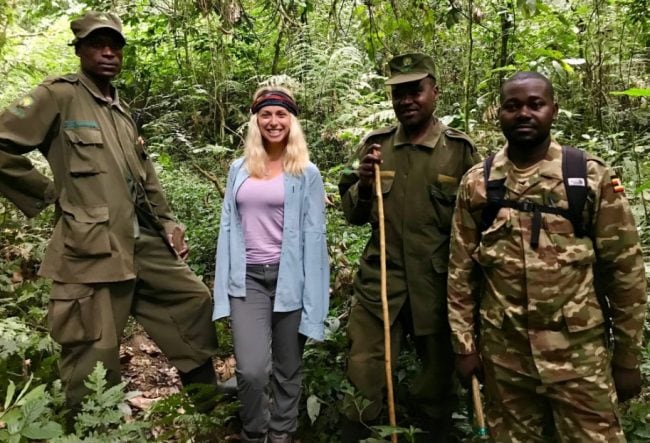
If you are planning to explore the natural wonders or cultural legacies of either Uganda or Rwanda or even both, take comfort in knowing that these two countries are safe. For years now, Uganda has secured its borders with professionally trained and adequately equipped army forces. These ensure that every activity there does not compromise internal security.
Meanwhile, inside and outside the country’s 10 national parks, the Uganda Wildlife Authority provides adequate protection with its well-trained paramilitary personnel and rangers. These ensure that all visitors to these tourist destinations are safe while enjoying their adventures.
Rwanda, on the other hand, has been largely safe for safaris ever since the genocide. The country stepped up its efforts to restore the country’s security since the devastation of the 1994 genocide. Now, Rwanda is a very low-crime-risk place with some crime incidents that do not pose any direct threat to the visitors. Indicators of Rwanda’s safety are evident in the absence of any significant large-scale homicide or terrorist attack lately. The Rwandan government and reputable tour companies strongly advise their tourists to be vigilant regarding their safety and property. This is because security operatives cannot be with an individual at all times.
Ways visitors can safely travel across Uganda and Rwanda on safari
For visitors embarking on a safari to either Uganda or Rwanda, it is important to follow the guidelines from the governments. Below are some of the ways visitors can keep safe while in these countries.
Book through reputable tour companies
In both Uganda and Rwanda, booking tourism activities, accommodation, and transportation can also be done through registered tour operators. This reduces fraud and disappointments caused by fake third parties. There are lists of registered tour companies that can be accessed online or through the recommendations on TripAdvisor. In Uganda, there are guidelines that the tours and travel businesses should adhere to while operating in the country. These guidelines are given by the Uganda Tourism Board, Uganda Wildlife Authority, the Ministry for Works and Transport, and the Ministry of Internal Affairs. These include drivers, guides, vehicles, and others.
Cultural sensitivity
Both Uganda and Rwanda have welcoming people who respect each other regardless of their race, sexual orientation, age, political views, beliefs, and many other aspects. However, these countries are still conservative regarding their cultures and beliefs. For instance, many firmly believe in heterosexual relationships and disapprove of homosexuals. Therefore, if you belong to any of the LGBTQI categories, you should not express yourself publicly. Additionally, you should be mindful of your dressing while exploring people in rural areas. This is because most of them get provoked when they see people dressed in clothing that exposes their thighs and breasts.
Active security personnel
Cities in either Uganda or Rwanda have a significant deployment of numerous security agencies to maintain order, peace, and security. These include counter-terrorism operatives, the military, the police, and many others. This is because of the presence of important infrastructure and establishments, including banks, betting houses, clubs, airports, markets, hotels, etc. The structures and streets are also equipped with powerful streetlights and 24-hour modern CCTV cameras. This is to ensure that any illegal activity is monitored and restricted. The accommodation facilities hire well-trained and armed security guards dedicated to the security of their clients.
Easy communication
Both Uganda and Rwanda have English as their official language. Therefore, solo travelers and self-drive visitors who speak English can enjoy their safaris. Additionally, many foreign residents have adapted to the local conditions. The natives have also largely adapted to their ways of life. This helps travelers on safaris to feel safe while pretty much aware that they are considered brethren in both Uganda and Rwanda. This is also partly because both governments have put a lot of effort into fighting sectarianism and other forms of discriminatory attitudes.
Impressive health care and emergency services
Both Rwanda and Uganda have improved their healthcare facilities to offer professional medical services to a variety of people, including travelers with medical insurance. These include referral hospitals and numerous private medical institutions that offer services and accept payments using digital means. Both countries have seriously fought malaria, a deadly disease spread by the female Anopheles mosquito. This is through a variety of comprehensive measures, including indoor residual spraying, widespread distribution of treated mosquito nets, and public awareness campaigns aimed at reducing the incidence and transmission.
Favorable weather condition
Both Uganda and Rwanda have suitable weather conditions that are relatively stable throughout the year. Unlike extreme weather conditions such as winters, Uganda and Rwanda experience warm or cool weather patterns. The average annual temperature conditions range from around 19oC to 30oC. The total average annual rainfall is around 1,000 to 1,500 millimeters. All these conditions make both outdoor and indoor activities favorable for any traveler on safaris. Despite the increased threats posed by climate change, there are no extreme weather events like tsunamis, hurricanes, heatwaves, or tornadoes.
Vast ecological systems
Both Uganda and Rwanda are landlocked countries with a diverse range of wildlife species and ecosystems that can be explored throughout the year. Ecosystems range from vast savannah grasslands and woodlands to tropical rainforests, afromontane forests, and water bodies such as lakes, rivers, streams, and others. The most sought-after wildlife for tourism is the endangered mountain gorillas. These can be seen in Uganda’s Bwindi Impenetrable and Mgahinga Gorilla National Parks and Rwanda’s Volcanoes National Park. The combined total number of habituated mountain gorilla families in both countries is around 35. This makes them reliable tour destinations to trek and observe mountain gorillas in the wild.
Other wildlife species that can be enjoyed by visitors on safaris in either Uganda or Rwanda include chimpanzees, golden monkeys, lions, elephants, buffaloes, waterbucks, bushbucks, black and white colobus monkeys, vervet monkeys, cheetahs, giraffes, zebras, and many others. Other tour activities include boat cruises, hiking adventures, city tours, cultural tours, abseiling, and many others.