
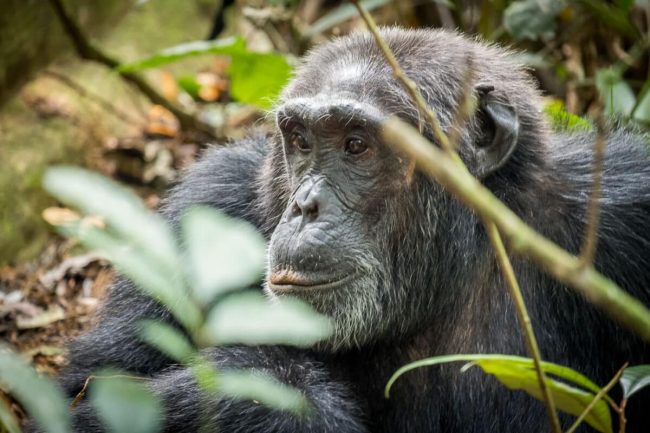
The cost of chimpanzee tracking in Rwanda varies by the visitor’s origin and nationality. Visitors from abroad, meaning outside Africa, are considered foreign non-residents and pay about USD 150 per person to track chimpanzees in the country. Visitors working in the country, called foreign residents, are these pay USD 75. This cost also goes to the visitors from the rest of Africa. The East African citizens and the Rwandan nationals pay Rwf 10,000 to encounter these chimpanzees in their natural environment.
Rwanda is a renowned chimpanzee destination where visitors from all over the world come for chimpanzee tracking. This amount for chimpanzee tracking is set by the governing body of the country responsible for the management of the wildlife protected areas. The Rwanda Development Board is the governing body.
Chimpanzees are a major draw for primate tours in Rwanda, making it a top destination. Just like their heavyweight cousins, the mountain gorillas that dominate the highlands of Volcanoes National Park, chimpanzees live in the lowland tropical rainforests. The costs associated with encountering these chimpanzee primates in their natural habitats help in running most of the work in the various chimpanzee destinations.
When we talk about the conservation of chimpanzees, we also need to walk the talk by getting involved in such efforts. The visitors play a vital role in these conservation efforts because it is because of them that these efforts are financed and funded.
Through purchasing chimpanzee permits to track the chimpanzees in the various destinations, a huge portion of the money goes to funding the conservation efforts.
Another percentage goes to the maintenance and management of the chimpanzee destinations by paying rangers and other workers. This, in turn, helps to improve the lives of the people working across the chimpanzee destinations.
Obtaining a chimpanzee permit in Rwanda
After understanding the costs involved in chimpanzee tracking in Rwanda, let’s see how a chimp permit is obtained. Before embarking on a chimpanzee tracking adventure in Rwanda, visitors must first obtain a chimpanzee permit. A chimpanzee permit generally refers to a document that grants visitors direct access to the chimpanzees in their natural environment for an hour.
As visitors confirm their dates to track the chimpanzees with a local tour operator like Monteero Safaris, visitors then send in their money for the purchase of the permits. The chimpanzee permits are only purchased from the Rwanda Development Board through a local tour operator like Monteero Safaris.
On receiving the money for the permits, the tour operator then purchases the permits and sends a scanned copy to the visitors, confirming the purchase of the permits.
Before a pre-trekking briefing, the chimpanzee permits are checked and confirmed to be valid, and then visitors are granted access to encounter the chimpanzees.
Chimpanzee tracking/ trekking in Rwanda
The process of encountering chimpanzees in their natural habitats for an hour is known as chimpanzee tracking. As mentioned earlier, Rwanda is a popular destination for chimpanzee trekking. The process of tracking chimpanzees in their habitats kicks off with a pre-trekking briefing.
This pre-trekking briefing is meant to prepare the visitors for what they should expect. Tracking chimpanzees is not a walk in the park but rather an intense, challenging, and exciting experience.
It requires visitors to navigate the dense tropical rainforests of thick undergrowth and uneven terrain. This pre-trekking briefing details the rules and regulations of this activity and the expected code of conduct of the visitors, especially in the presence of the primates. Visitors are then grouped in groups of 8 people and given a particular chimpanzee community to track, and assigned a ranger.
During the trekking experience, visitors should be on alert to spot other various flora and fauna species in the forests. Species like colobus monkeys, vervet monkeys, butterflies, birds, and more plant species can be very entertaining to learn about.
The highlight of this experience is when the visitors encounter the chimpanzee permits. Visitors can use this time to take pictures and record videos in accordance with the rules and regulations as discussed earlier. Visitors are only entitled to an hour in the presence of the chimpanzees.
Rwanda’s Nyungwe Forest National Park is the leading chimpanzee destination in the country. This chimpanzee destination is located in the southern region of Rwanda. Nyungwe is a natural forest that stretches across the border into Burundi. Over 500 chimpanzee primates inhabit this forest park, making it a prime target for chimpanzee tracking adventurers.
Gishwati-Mukuru National Park is also another chimpanzee destination in Rwanda. It is the smallest protected area in the country, spanning just 32 square kilometers of lush forest. It is situated close to Lake Kivu, harboring just a handful of about 35 chimpanzee primates.
In conclusion, the cost of chimpanzee tracking in Rwanda depends on the nationality and the region where the visitors originate. These costs are balanced to facilitate the conservation efforts of protecting these chimpanzees for future generations.
These funds also maintain and protect the forests, the primary habitat of the chimpanzees. Come through and support these efforts by purchasing a chimpanzee permit and participating in the tracking to leave a green footprint of conservation.