
Uganda is a premier primate destination with a growing number of visitors from across the world interested in encountering these primates. The high or peak season, which is usually the dry season, sees a rise in the number of visitors coming for primate tracking in the country. This is contrary to those that come in the wet season, which is the low season.
The Ugandan government, under the Uganda Wildlife Authority, has introduced discounted low season permits. The discounted low season permits in Uganda are meant to vitalize and increase tourism in the low season. This is a new and exciting development that is believed to have a significant impact on the tourism of the country.
Not later than 26th February 2026, when this announcement of discounted low season permits became official, there were no discounts in permits. Such development has increased Uganda’s visibility and made it a prominent primate destination.
The discounted low season permits in Uganda are only applicable in the wet season, which is the low season. The identified low season months for which this discount will be used are April, May, and November. The increase in rainfall patterns and cool temperatures in the mentioned months makes them the ideal wet season.
Are the discounted low season permits in Uganda for gorillas or chimps?
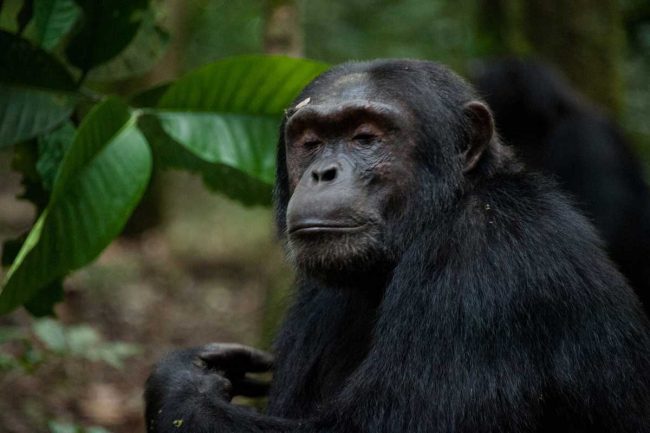
The discounted low season permits apply for both gorillas and chimpanzees. Uganda’s primate capacity is vast, covering both gorillas and chimpanzees. This means the country attracts visitors to encounter both primates in their natural wilderness. The discounted permits are very important as they offer a significant cut of the original prices. Both gorillas and chimpanzees are often included on the same tour, it was vital to lower their prices in the low season.
What is the new price of the low season permits?
Following the official statement from the Uganda Wildlife Authority affirming the discounted low season permits, the new permit prices were mentioned. These new discounted prices took immediate effect to allow visitors to book and arrange the low season purchase of the permits. This decision has led to a significant improvement in low season travel. The purchase of the discounted gorilla and chimp permits has significantly increased.
Below is a breakdown of the new low season permit prices following the discount.
| Foreign non-residents (USD) | Foreign residents (USD) | |
| Gorilla permits | 600 | 500 |
| Chimpanzee permits | 200 | 150 |
The above new discounted low season permit prices show a significant cut of over 20% the original price. This is a huge step in increasing the visitors’ turnout during the low season. The low season has always had fewer numbers. This is mainly attributed to the challenging conditions of trekking the primates in their natural habitat.
One would even argue why trek in the low season with challenging factors at the same permit price as the dry season. Therefore, with the recent discount, visitors can now bear the challenging conditions of heavy rains and slippery trails for a cut in the permit prices.
What are the advantages of traveling in Uganda in the low season?
From time to time, the wet season, which is the low season, crawls in and sparks a debate as some see it as a challenge and others as an opportunity. Well, here are some of the advantages of traveling in Uganda during the low season.
A chance for birding
The low season is full of birding opportunities, strictly because it is the breeding time of the birds. The wet season sees a rise in the bird population in the country with the coming of migratory birds. This slight increase is on the breeding part for most of the birds, and an increase in food in terms of insects.
As the low season pulls numbers in bird species, it creates a window of opportunity for a birding experience. The bird lovers and adventure enthusiasts get a chance to spot both the migratory and endemic resident birds. This creates a perfect combination with the trekking adventures.
Discounted accommodation rates
The low season also sees a notable cut in the accommodation rates, meaning visitors can now save more in the low season. As the number of visitors reduces in the wet or low season, accommodation facilities, such as hotels and lodges, lower their rates. This is done to facilitate and encourage more visitors to travel during this season.
Less crowds
The low season presents a chance for fewer crowds since there are fewer visitors coming into the country for trekking. With fewer crowds, visitors have a more private and intimate time with the primates.
Impressive scenic views
The low season is a period of heavy showers due to changes in the rainfall patterns, bringing in cool temperatures. Such conditions favour the growth of vegetation around the primate destinations, thus offering impressive scenic views. Such scenic views offer epic, beautiful green backgrounds while trekking.
Finally, the discounted low season permits in Uganda will open up the country to more epic discoveries. As visitors encounter the mountain gorillas and chimpanzee primates in their respective destinations like Bwindi Impenetrable National Park and Kibale National Park, these discounted permits will serve as an invitation to more visitors.