
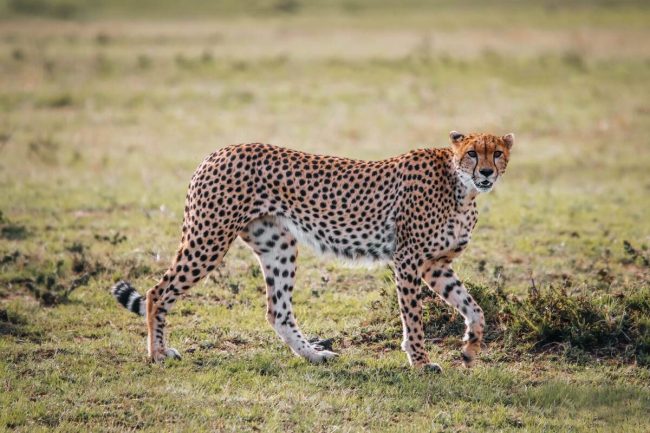
The best time for a safari in Tanzania is during the dry season, which runs from June to October. This dry season offers ideal conditions for a proper exploration of Tanzania’s untamed wildernesses. Tanzania offers a wider range of uncharted wildernesses fit for exploration on a safari. Such explorations are better advanced during the dry season. Tanzania, at the very best, crafts an impeccable safari that deems Africa’s untold stories of the endless savannahs and high concentrations of wildlife.
The dry season suits Tanzania well, surely, because it creates a favorable atmosphere for visitors to enjoy an impactful epic safari experience. Tanzania, like most of the East African countries, experiences an equatorial type of climate. This climate is also called tropical, and it’s the basic climate experienced by various countries in the region.
This specific type of climate is characterized by dry and wet seasons throughout the year. Our concentration is on the dry season since it’s the most suitable time for a safari in Tanzania. The dry season in Tanzania is a period of high atmospheric temperatures, fuelled by the limited rainfall patterns. The weather is influenced by many factors, from vegetation to water bodies, among other things. With a few forested areas and numbered waterbodies, Tanzania experiences a prolonged dry season.
Why is the dry season the best time for safari in Tanzania?
Safari in Tanzania has never been more adventurous and incredibly exciting than when experienced in the dry season. Many factors support the dry season as the most ideal time to have a safari, and below are some of these reasons.
Clear wildlife visibility
The conditions in the dry season affect the vegetation in the lush savannah grassland safari destinations in Tanzania, leaving them sparse. Such sparse vegetation offers clear and easy wildlife sighting. Long grasslands and lush vegetation cover hinder the visibility of the wildlife species while on safari.
And such conditions are common in the wet season, where there is much rainfall. The dry season, on the other hand, crafts a scenic performance with beautiful views of the surrounding wilderness. With sparse vegetation, there is very little room for shy species like the big cats to hide. This allows a clear sighting of these wildlife species, making the safari in Tanzania a fruitful one.
The Great wildebeest migration
The Great wildebeest migration is a major tourist activity done on safari in Tanzania. The highlight of the dry season is the Great wildebeest migration. If not seen or experienced, some may deem this world wonder unreal. But the truth stands as it is, the Great wildebeest migration is an incredible wilderness showdown.
The Great wildebeest migration is one of the major reasons why the dry season is the best time for a safari in Tanzania. On average, over a million wildebeests, thousands of zebras, and hundreds of gazelles, among other species, participate in the Great wildebeest migration. These species follow the rains from the southern regions of Serengeti National Park with a dramatic, dangerous river crossing of the great Mara River into Kenya’s Masai Mara National Reserve. The Great wildebeest migration can only be seen during this season, and the adventure gears up when the Great crossing of the Mara River comes into play, especially in the peak dry season.
Easy accessibility
The clear weather of the dry season offers easy accessibility across the safari destinations in Tanzania. The dry season casts clear weather conditions on the environment, leaving notable tracks in most of the national parks and other safari destinations dry and navigable. This offers easy accessibility to the different safari destinations. Accessibility is a key factor in exploring the different safari destinations. Dry tracks in these destinations ease navigation, and encounters with the various wildlife species become successful.
Easy wildlife sighting
Most of the safari destinations in Tanzania are affected by the dry season, leaving the seasonal watering holes dry. This forces the wildlife to concentrate around the last permanent watering holes across the destinations. This ensures that there is easy wildlife sighting since they can easily be traced to these remaining watering holes. This raises the chances of seeing these animals high, and it’s more of an assurance.
Ideal travel conditions
The dry season also provides ideal traveling conditions. Traveling in the dry season is very easy and seamless, unlike it would be in the wet season. The dry season offers clear weather, which eases navigation even in flight as there is no fog or mist. Rain can sometimes become disruptive, especially in movement, by soaking the roads, leaving them slippery and muddy.
In conclusion, the dry season is the best time for a safari in Tanzania. However, the wet season is also an ideal time to travel to Tanzania for a safari. It offers epic adventures, though in challenging conditions. During some wet months, like January to March, it is when the calving is or birthing season for most grazers, like wildebeests, zebras, gazelles, and buffaloes. An average of about 80,000 calves is born per day. It is this same season when there is intense big cat action.