
Overview
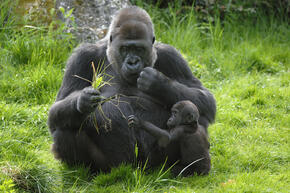
Gorilla trekking can be done in Uganda, Rwanda, and the Democratic Republic of Congo. Congo, however, mainly for the eastern lowland gorillas and mountain gorillas. These are rare primates and humans’ closest relatives, sharing 98% of their DNA. Gorilla trekking is becoming a popular adventure in East Africa for wildlife enthusiasts. This is evident with each tourist seeking this great adventure while on a safari to East Africa.
Mountain gorilla trekking sales are more than those for eastern lowland gorilla trekking. The current population of mountain gorillas is about 1,165 individuals. Each gorilla belongs to a group known as a family headed by an alpha male called a Silverback.
Gorilla destinations
This unique experience provides more than just a thrilling encounter. It also plays a crucial role in the conservation of these magnificent animals. These gorillas can be found in the Virunga conservation area. This area is located across the borders of Uganda, the Democratic Republic of Congo, and Rwanda. This area covers different national parks. These include Mgahinga Gorilla National Park and Bwindi Impenetrable National Park in Uganda, Virunga National Park in Congo, and Volcanoes National Park in Rwanda.
Gorilla trekking experience
Gorilla trekking is therefore an experience where tourists or trekkers enter the forest to search for these gentle giants spending between 4-7 hours which includes an hour spent in their presence. During this time, visitors spot other attractions like birds, plants, waterfalls, small primates, butterflies, and more. Since trekking involves walking and hiking long distances, this calls for physical fitness and to have enough drinking water with an energy-giving snack.
Cost of gorilla permits
This experience is ethical in a way that the revenue generated from selling gorilla trekking permits supports conservation and community development. The cost of permits is between USD 200 and USD 1,500 per person, depending on the country where to trek. The permit is primarily allocated to conservation projects, wildlife habitat preservation, and anti-poaching efforts.
Also, gorilla trekking contributes substantially to the local economies of the countries where these gentle giants reside. The increased number of tourists creates jobs for guides, wardens, cleaners, and even porters providing communities with a sustainable income.
On the other hand, one of the primary concerns is the potential for disturbing the gorillas. Human presence even when well managed can cause stress and alter the animal’s natural behaviors. Gorillas are generally shy and reclusive and this means that frequent interaction of humans with them leads to habituation. This is a long time process that can take about 1-3 years to train the gorillas to get used to human presence. This can make them more vulnerable to poaching and diseases.
The risks of disease transmission are high since the gorillas share 98% of their DNA with humans making them highly susceptible to human illness. A common cold of flu which involves sneezing in humans can be fatal for gorillas. As the gorillas are generally peaceful and avoid confrontation, they can become aggressive if they feel threatened.
Trekking gorillas is through the forest and sometimes you go off demarcated trails and this may lead to injuries due to cuttings and thorn piercing. This calls to have long-leaved shirts and trousers plus gaiters. The good thing is that there are precautions put in place to protect tourists and the gorillas before, during, and after trekking.
Gorilla trekking rules and regulations
These rules and regulations include the following among others.
- Don’t feed gorillas since the food might be toxic
- Always keep a distance of about 8-10 meters to create safety for the gorillas
- Don’t use a flashlight camera since it threatens the gorillas
- Don’t smoke, eat, or even drink in front of the gorillas
- You are not allowed to trek in case you have a cold or any infectious disease like cholera, flu, and more.
- People under the age of 15 years are not allowed to trek since they can behave like children in case there is a threat from the gorilla or may not follow the precautions.
Therefore, gorilla trekking is ethical since it benefits different people such as tourists, tour guides, park rangers, porters, park wardens, and other hospitality service providers including the wildlife through conservation and protection. For a gorilla trekking safari, contact us we are ready to take you there.